Recently, Dr. Zhang Fusheng from the School of Chemistry and Chemical Engineering collaborated with the research team led by Professor Qing Guangyan at the Dalian Institute of Chemical Physics, Chinese Academy of Sciences, to publish a review article titled “Matrix-Engineered Cellulose Nanocrystals for Robust and Water-Stable Chiral Photonic Devices” in the prestigious materials science journal Accounts of Materials Research. The paper systematically elucidates the chiral self-assembly mechanism of cellulose nanocrystals (CNC), matrix engineering strategies, and their application in fabricating robust water-stable chiral photonic devices, while also outlining future developments in this field. The School of Chemistry and Chemical Engineering at Wuhan Textile University is the first corresponding institution for this paper.
Cellulose nanocrystals (CNCs), as a green and renewable nanomaterial, exhibit outstanding chiral optical properties and structural color effects, demonstrating significant potential in fields such as photonic crystals, sensor devices, and optical anti-counterfeiting (Figure 1). However, their inherent hydrophilicity and mechanical brittleness limit practical applications in humid environments and under mechanical loading. This review systematically summarizes recent research progress in enhancing the environmental stability and mechanical properties of CNC materials through matrix engineering strategies.
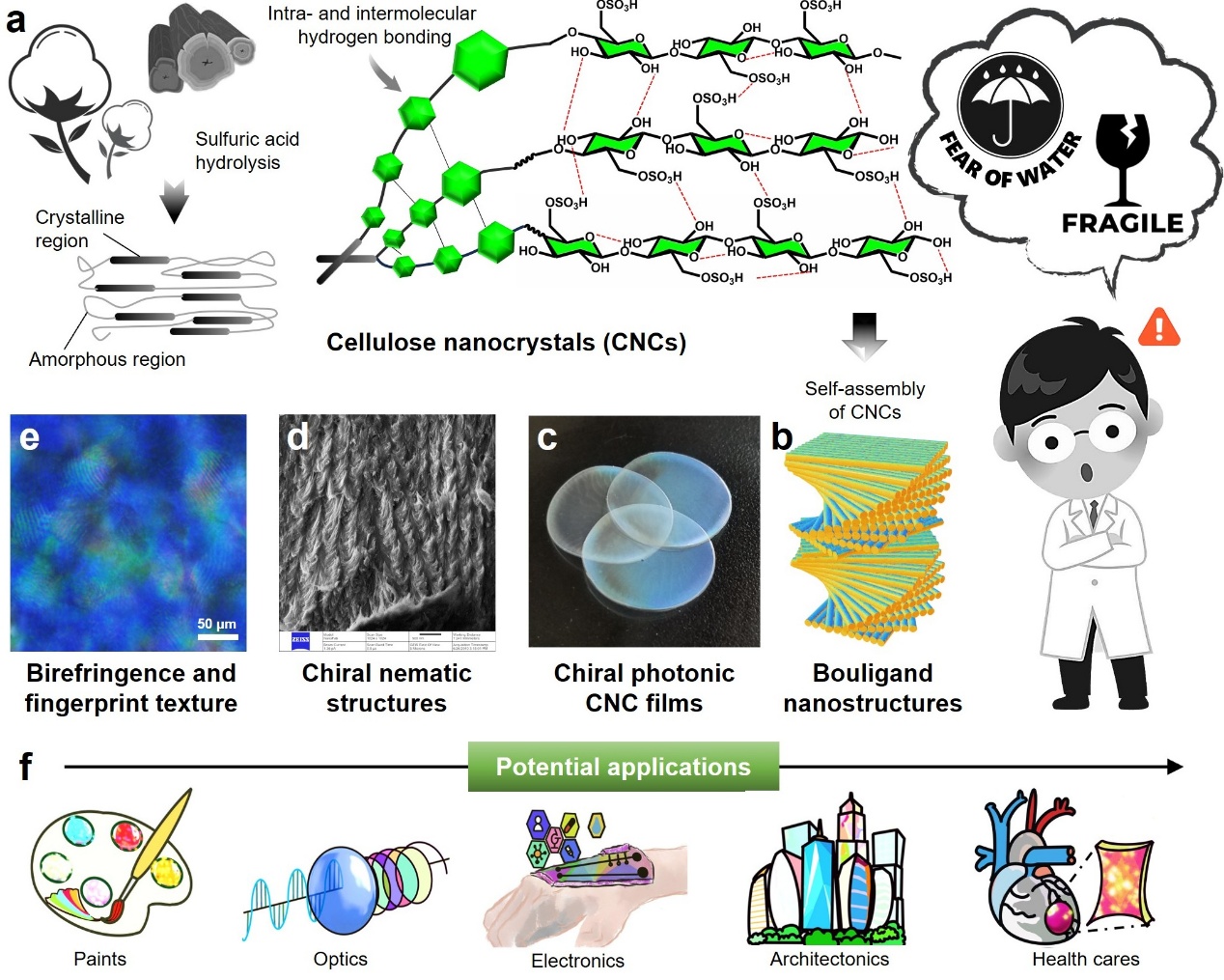
Figure 1: Hierarchical Self-Organization of CNC and Potential Applications
The research team has developed a series of matrix-tuning methods in previous work: Chiral photonic films with both strength and solvent resistance were prepared via chemical crosslinking (e.g., glutaraldehyde crosslinking) (ACS Appl. Mater. Interfaces, 2021) ; employed photopolymerization to composite flexible polymers with CNC, yielding highly stretchable (strain >100%) and solvent-stable photonic elastomers (Small, 2022); developed water-insoluble photonic hydrogels capable of dry-wet reversible transitions through heat-induced hydrogen bond rearrangement, successfully applied for sweat ion sensing (Small, 2023); further regulating nanocrystalline domains via hydration-induced mechanisms to fabricate photonic hydrogels exhibiting ultra-high toughness (>150 MJ·m⁻³) and broad-range mechanical color-changing responses (Mater. Today, 2025). These studies provide robust experimental and theoretical foundations for this review.
The paper further summarizes the application potential of such stable, water-resistant chiral photonic materials in cutting-edge fields such as wearable sensing, interactive sweat optical patches, photonic hydrogel biointerfaces, chiral fluorescence anti-counterfeiting, and permeation energy conversion. Recent developments by the team—including synergistically color-changing conductive photonic cellulose sensing patches (Mater. Horiz., 2025), stimulus-responsive photonic fibers (ACS Nano, 2025), and chiral fluorescent anti-counterfeiting labels (Adv. Mater., 2024; Adv. Funct. Mater., 2022) also demonstrate the application prospects of these materials in flexible electronics and smart textiles.
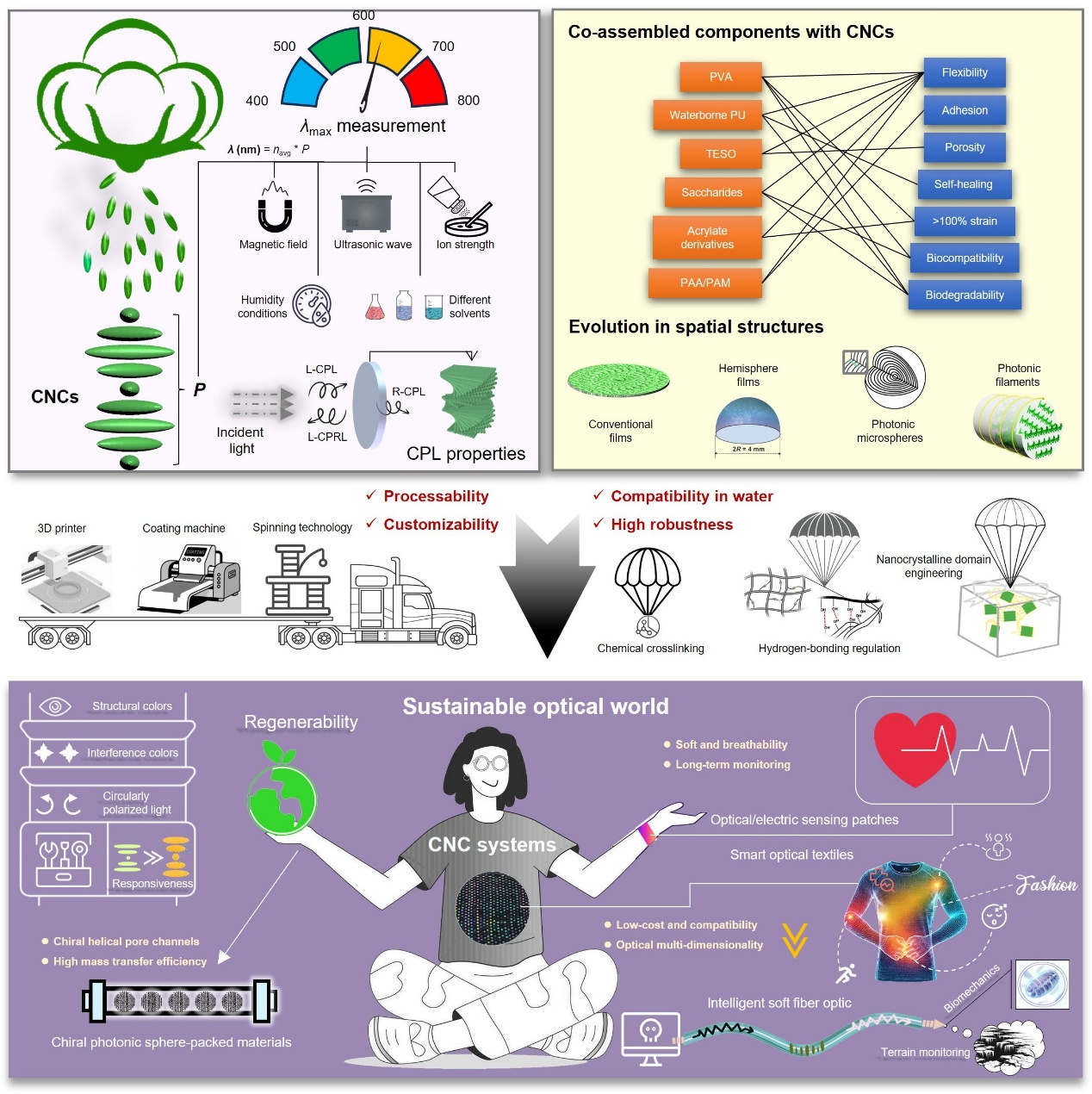
Figure 2: Future Prospects for Chiral Photonic CNC Systems
Building upon a systematic review of field advancements, this overview further explores material design and scalable fabrication pathways for intelligent optical textiles, adaptive soft photonics, chiral separation membranes, and biointegrated devices (Figure 2). This research was supported by the National Natural Science Foundation of China and the Doctoral Research Start-up Fund of Wuhan Textile University.
Article Link://doi.org/10.1021/accountsmr.5c00253